Waiting list from July 1, 2026, for all applications for electricity connections
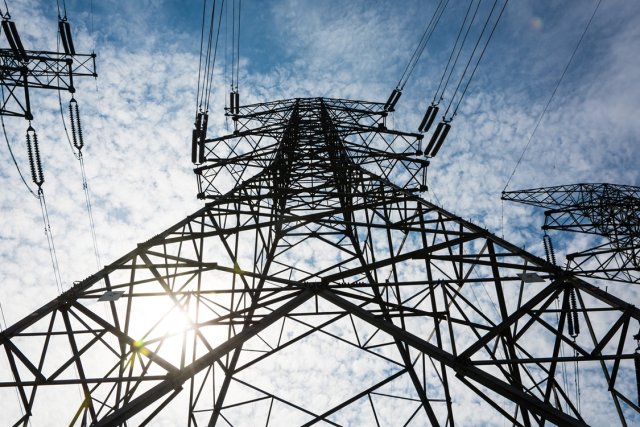
We are using more and more electricity at the same time. This threatens to overload the power grid. This problem is also known as grid congestion. Many regions in the Netherlands are already experiencing grid congestion, including South Holland. In Zoetermeer, too, we are reaching the limits of the current power grid.
This means that there is insufficient capacity available on the grid to connect additional or new applications immediately. Therefore, choices must be made about the order in which applications are connected or expanded. The Netherlands Authority for Consumers and Markets (ACM) has amended the national regulations for this purpose. The social prioritization framework describes exactly what the new prioritization list looks like.
Choosing based on social importance
In order to distribute the limited capacity on the electricity grid as effectively as possible, from July 1, 2026, capacity will be distributed according to the ACM's social prioritization framework. There are three categories.
- Projects that directly create space on the electricity grid, such as energy storage via battery systems, are given the highest priority. This is because they enable more parties to use the electricity grid.
- Projects that are essential to national security, such as security services, healthcare, railways, air traffic, waterways, water management, emergency services, defense, and the police.
- Projects that are considered basic needs. These include housing, education, public transport, waste management, heat supply, and housing needs.
The amended rules affect residents and SMEs in Zoetermeer who want to upgrade their electricity connection or apply for a new connection. For large companies with large electricity connections, the rules apply immediately. For residents and SME entrepreneurs, there is a transition period until July 1, 2026.
What does this mean for residents?
Requests from residents to, for example, charge an electric car more quickly at home or make a home natural gas-free will no longer be automatically granted. A waiting period will apply for this. How long this is will depend on the available grid capacity at that time.
What does this mean for SMEs?
From July 1, 2026, applications from small consumers, including SMEs, will be placed on a waiting list together with those from large companies in areas where there is grid congestion. SMEs will not be given social priority. This also applies to applications for public charging stations.
How do I know what type of connection I have and when I need to upgrade my connection?Small consumers are defined as homes and smaller businesses (commercial premises, retail spaces, etc.) that have an electricity connection ranging from 1x25 amps to a maximum of 3x80 amps. There are various ways to find out your connection type. For example, your connection type is included in your energy contract, or you can request this information via Connection | Stedin. Next, you will want to know whether you need a more powerful connection for sustainability measures (e.g., electric cooking facilities, charging station, heat pump) or for the expansion of your home or business premises. To find out, you can consult a certified installer, the party providing the service, or I want to change my connection | Stedin. Please note that there are costs associated with upgrading your connection. The rates can be found at Rates | Stedin. |
What are the network operators doing about this situation?
Grid operators TenneT and Stedin are working hard to reinforce and expand the overloaded power grid. The grid operators are expected to have completed the expansions by around 2035 at the earliest.
What residents and SMEs can do to combat peak electricity consumption
Peak hours are the times when households and businesses consume a lot of energy. This is mainly between 7:00 and 9:00 in the morning and between 4:00 and 9:00 in the evening. During peak hours, the pressure on the electricity grid increases. Small consumers are also asked to use as few electronic devices as possible during these hours. It also helps not to turn on all devices at the same time.
Tips for using electricity at other times: zetookdeknopom.nl
What does our municipality do?
The municipality continues to work closely with network operator Stedin to minimize the impact of network congestion as much as possible.
Alderman Bouke Velzen (energy transition and sustainability:
"We understand that this can cause uncertainty for residents and businesses. No one wants delays in making their home more sustainable or starting a construction project. That is why we will continue to work closely with Stedin and other partners to minimize the impact of grid congestion. We are fully committed to keeping Zoetermeer accessible, livable, and future-proof."
National rules, implemented by Stedin
The municipality does not determine these rules. The nationally determined rules are implemented by Stedin. Municipalities remain in dialogue with the network operator about the impact and progress of network expansions and, where possible, provide support, for example by ensuring that processes run as smoothly as possible.
More information
Frequently asked questions can be found at Frequently asked questions | Stedin.
For questions about connections, requests, and how the waiting list works, please contact us via I want a new connection | Stedin.
You can read the information sent to the council here: Developments Network congestion January 2026 Zoetermeer | iBabs Public Portal.