
Zoetermeer Asylum Seekers' Center (AZC)
Since February 2025, the former prison in Zoetermeer has been used to house asylum seekers. An asylum seeker is someone who has fled his or her country and is applying for protection (asylum) in the Netherlands, but whose application has not yet been decided. The Central Agency for the Reception of Asylum Seekers (COA) manages the reception facility, and the national government covers the costs. To ensure the reception is properly organized, the municipality has drawn up an administrative agreement with the COA that is valid until February 2030. During that period, asylum seekers will be housed here and may live here.
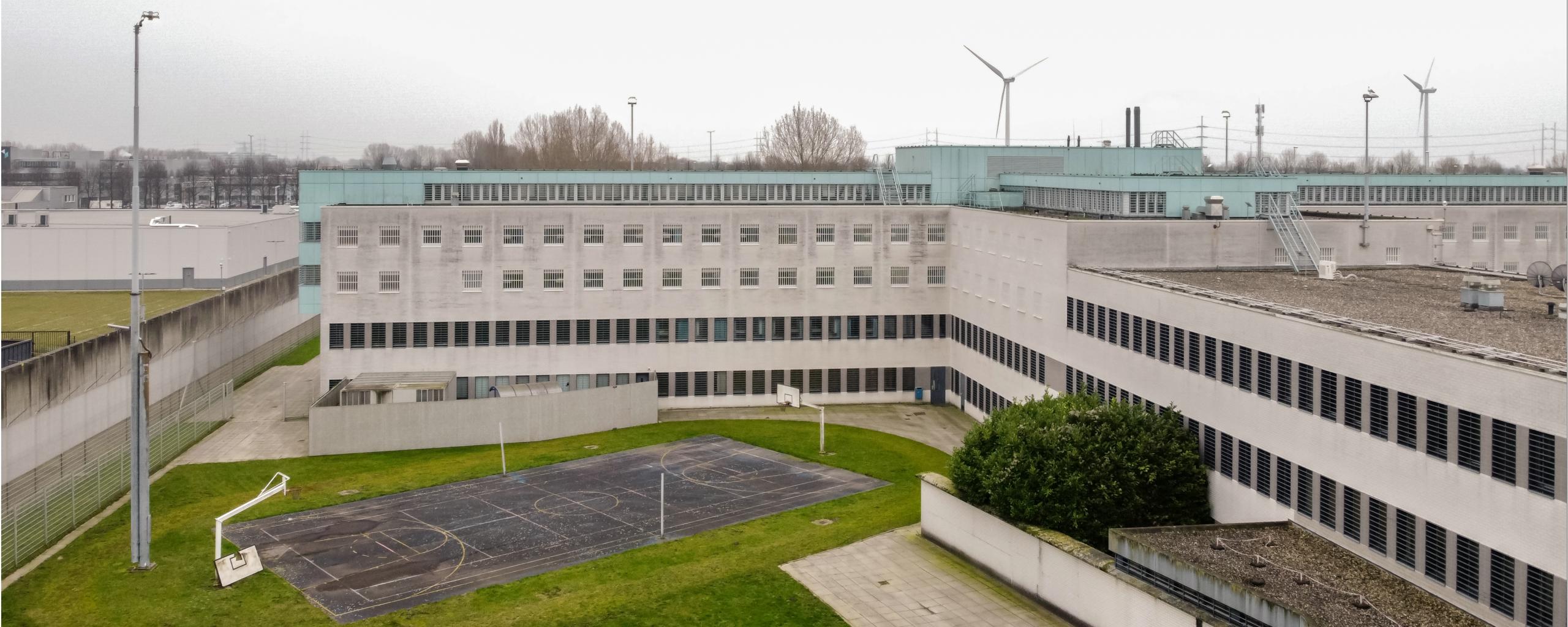
On this page, you'll find the latest information in the form of frequently asked questions. Do you have another question about the AZC? Please send it by email toazc@zoetermeer.nl.
Take a look inside the asylum center here.
More information about the shelter site and the shelter of refugees in general can be found on COA's website.
Location of the Asylum Seekers' Center
Photo essay of the (still unoccupied) asylum seeker center
Commissioned by the municipality, photographer Richard Jetten produced a photo essay at the asylum seeker center before people were housed there.
Where is the entrance to the asylum seekers' center?
The entrance is still in the same place. Only a few COA staff members drive to work, so there isn't much traffic. The residents of the asylum seekers' center generally do not have cars.
Has the prison been remodeled?
Vacant offices in the building have been converted into resident rooms, complete with showers, kitchens, and so on.
The Asylum Seekers' Center
What is the difference between an asylum seekers' center and emergency shelter?
Asylum seekers stay at an asylum seekers' center (AZC). They remain there until a decision is made on their asylum application.
- If their asylum application is denied, they must return to their country of origin.
- If the asylum application is approved, that person will receive a residence permit and become a status holder. After that, the person will be eligible for housing.
Emergency shelter is a temporary arrangement. Refugees stay here temporarily until they can move to an asylum seeker center (asylum seekers) or transition to permanent housing (status holders).
Who lives in the asylum seeker center?
There are approximately 700 asylum seekers living in the asylum seekers’ center. The majority are adults aged 18 and older. A small portion of the housing units are reserved for families. The male residents include both single individuals and those awaiting family reunification. There are also female residents in the asylum seekers’ center. No unaccompanied minor refugees are housed there.
What is daily life like for the residents?
Most people share a bedroom with someone else. Families are kept together.
Residents can cook for themselves on-site. They receive a living allowance for personal items and groceries. In addition, there are opportunities for recreation and sports (a gym and sports fields), and some residents attend school or integration classes on-site.
The COA is responsible for the liveability and safety in the location. They do this by providing information, drawing up rules of conduct and taking measures in the event of unpleasant events. During the day there is staff for all kinds of guidance and there is also security at all times.
Are asylum seekers allowed to work?
Both asylum seekers going through the asylum process and status holders with a residence permit are eager to start working. They are allowed to work in the Netherlands, but under different conditions and rules.
These terms and conditions are:
- The employer must apply for a work permit (TWV) from the UWV.
- The asylum seeker must have been in the Netherlands and in the asylum process for at least 6 months.
- The asylum seeker needs a BSN number to open a bank account. This is required to receive a salary and so that the employer can pay income tax.
- Asylum seekers with an income pay a personal contribution to the COA toward their shelter costs.
- Asylum seekers are not allowed to do an internship or work in a work experience program.
How is education for children at the asylum seeker center going?
Like all children in the Netherlands, children of asylum seekers are subject to compulsory education.
All children of compulsory school age attend a school in Zoetermeer.
What does the COA do?
The Central Agency for the Reception of Asylum Seekers (COA) is responsible for the reception of asylum seekers in the Netherlands during their entire asylum procedure. This means that the COA provides housing from the moment the asylum seeker applies for asylum in the Netherlands until the moment the asylum seeker has to leave the Netherlands or receives a residence permit. The COA accommodates asylum seekers in asylum seekers' centres (AZC) or emergency shelters spread throughout the country.
For more information, visit the COA website at .
What about medical care for the residents of the asylum seeker center?
Medical care at the facility is provided through a general practitioner’s office hours. Help is also available for people with psychological issues. Staff from VluchtelingenWerk Zoetermeer provide support at the AZC.
Helping out through Zoetermeer
How can I sign up to help at the asylum seeker center?
You can sign up to help at the asylum seekers' center via www.zoetermeervoorelkaar.nl.
What type of help/volunteer work is needed?
There are 2 types of volunteer work you can help with:
- Weekly/monthly recurring
There is usually a need for help with computer and language lessons, as well as with leisure activities. These are often ongoing activities (multiple sessions at fixed times). Volunteers who come to help on a regular basis receive a volunteer contract from the COA. They then become “COA volunteers.” This means you will receive reimbursement for travel expenses, must provide a Certificate of Good Conduct (VOG), and must adhere to the COA’s code of conduct. - One time or a few times
There is also often room for support for activities that take place once or a few times, such as an activity for children, a sports day or a social gathering for all residents. For this it is not necessary to officially become a 'COA volunteer'.
What can you donate and what should you not donate?
Some of the residents at the asylum seekers’ center in Zoetermeer already have a residence permit (status holders) and/or have been living in the Netherlands for some time. They already have their own clothing, personal care products, phones, computers, and other items to meet their daily needs. The COA provides residents with a living allowance and spending money so they can buy groceries. They cook their own meals.
In addition, there is not much space in the rooms and on the location to store a lot of stuff. Too much stuff can cause unsafe situations, because they get in the way in emergency situations, for example.
In general, the following items are not necessary:
- Food and drink
Residents buy this themselves - Household goods and toys
The COA furnishes the location with everything needed to live and work there comfortably; many residents already have their own household goods and toys. - Clothing
Residents generally have sufficient clothing
Finally, the COA states that it considers it important for all residents to be treated equally. This means that the COA only accepts donations intended for all residents, not just a few residents or only residents of a certain background. Think, for example, of a ping-pong table for the recreation room that everyone can use. However, the COA has little use for a single winter coat or a single children’s bicycle; they would then have to decide who receives them, and they cannot make that decision.
If you still want to give food/clothing/stuff; please do this at the local food bank, clothing bank or thrift store. If the COA still needs any of these items, they will knock on their door.
For more information, see www.coa.nl | Volunteer work and donations .
How can I help foster a good relationship between the neighborhood and the residents of the asylum seekers' center?
Since plans for an asylum seekers’ center were first proposed, a dialogue has been initiated between COA staff, municipal employees, and neighborhood representatives. This group, also known as the “committee,” aims to foster a positive relationship between the residents of the asylum seekers’ center and nearby residents.
The members are:
- several representatives of the municipality (for example district manager/district director)
- some representatives of the police
- some local residents
- and the location manager of the COA
At first, the committee met once every three weeks. The first meeting took place before the asylum seekers' center opened. The committee decides among its members how often to meet.
Safety
Is there a general phone number for local residents available for questions or complaints?
The COA has an information hotline: 088-715 7000. The COA also has its own webpage with information about the location and contact details of the asylum seekers' center in Zoetermeer: Zoetermeer - Rokkeveenseweg | www.coa.nl.
What about security in the neighborhood, around the asylum seekers' center, and near the little tunnel?
The municipality ensures public order and safety in the area through the BOAs (police officers). During regular safety meetings, the municipality, the COA, and the police discuss the situation surrounding the asylum seekers’ center. If necessary, they can take measures. Security is present 24 hours a day at the asylum seekers’ center; the COA is responsible for this. The COA and the municipality are doing everything they can to ensure a livable and safe environment, both inside and outside the asylum seekers’ center.
The situation around the tunnels near the prison was looked at separately. In some places, the municipality is going to improve lighting. There is no camera surveillance.
When individuals at the asylum seekers’ center commit criminal offenses, the same rules naturally apply as for residents who commit criminal offenses. For a resident of the asylum seekers’ center, causing a disturbance may result in the resident being transferred to another shelter.
Zoetermeer housing market
What impact do asylum seekers have on the housing market in Zoetermeer?
The accommodation of asylum seekers in Zoetermeer has no impact on the housing market. The asylum seekers’ center is a building that would otherwise stand empty and would not enter the housing market. Asylum seekers are not entitled to regular rental housing and therefore do not compete with first-time renters, young people, or other Zoetermeerders who are on the waiting list for rental housing.
Will the residents of the asylum seekers' center eventually be given housing in Zoetermeer?
Asylum seekers housed at the asylum seekers’ center (AZC) remain there until a decision is made regarding their residency status. If they are granted a temporary residence permit and thereby become status holders, their placement depends on which municipality they are assigned to. The national government determines how many people this applies to in Zoetermeer based on the city’s population.
Why won't there be housing in the prison?
The national government owns the prison. The government has not yet decided on the prison’s long-term use. The asylum seekers’ center is a temporary use of the space.
Is the waiting list for public housing in Zoetermeer longer because of the asylum seekers' center?
Asylum seekers are not eligible for regular rental housing and therefore do not compete with first-time renters, young people, or other Zoetermeerders who are on the waiting list for rental housing.
What is the legal obligation regarding the reception of asylum seekers?
Zoetermeer must comply with the national Distribution Act. This is a statutory obligation regarding the accommodation of asylum seekers. The purpose of this law is to ensure sufficient accommodation and a more equitable distribution of asylum seekers across provinces and municipalities.
Asylum seekers are housed at the COA reception center in Zoetermeer pursuant to the Administrative Agreement of February 9, 2025, which was concluded with the COA and remains in effect through 2030. Currently, the COA is housing 703 asylum seekers in Zoetermeer.